
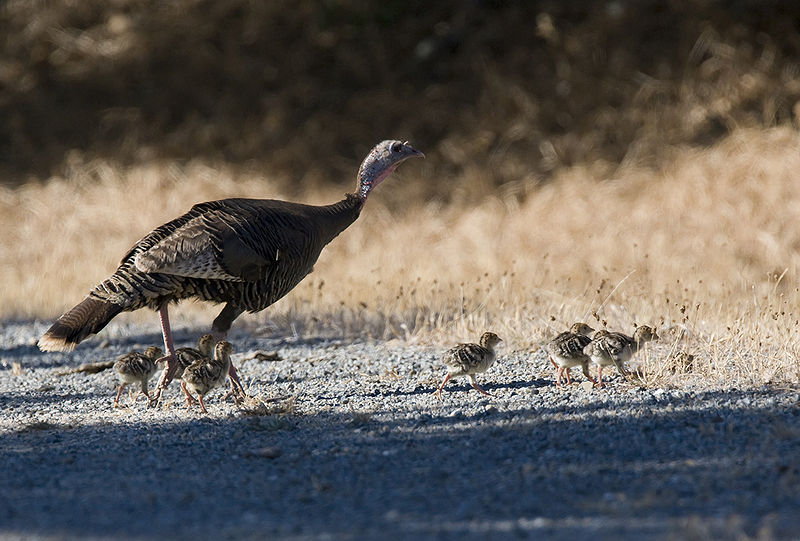
One of my students wrote a paper in which she ruminated, in passing, on the menu at the Pilgrims’ first Thanksgiving. By way of checking her facts, I discovered that she was right in saying they had no beef (and why would they? what room would they have had for a bull and a cow on the Mayflower?), and of course, turkeys having been domesticated by the Aztecs, some distance away from the Plymouth colony, they had to make do with the scrawny wild version.
Ever think about what the Founding Parents must have had for dinner that first year? Wouldn’t it be interesting to try to create an authentic, original Thanksgiving meal! A wild turkey, if you can catch one, is a great deal tastier than a modern-day bloated, chemical-filled, brine-saturated, fake-butter-injected domestic variety. On the other hand, the Pilgrims’ kitchen would have been, shall we say, bare-bones.
Modern-day recipes on the web tend to look like this one from a site for wild game recipes. But, alas, the half-starved survivors of a transatlantic crossing wouldn’t have had celery, garlic, parsley, salt, or pepper. Chances are, too, they wouldn’t have roasted the turkey. More likely, they would have boiled it, following something like this recipe from Lorna Sass’s To the King’s Taste , a cookbook describing medieval cuisine.
Fowl in Hotchpot
(Hotchpot was simply a “hodgepodge” of various ingredients)
1 wild turkey, feathered, gutted, and cleaned, including feet, neck, and giblets (the Pilgrims also had duck, geese, and swan)
water to cover
1 teaspoon salt
8 tablespoons minced parsley
1/8 teaspoon dried sage
12 cloves garlic, peeled
3/4 pound grapes, preferably seedless
garnish of nutmeg, crushed anise, or fennel seeds
For New-World authenticity, hold the garlic, hold the salt, hold the garnish, and hold the sage.
Scald the bird with boiling water. Remove any fat from the cavity opening. In a large pot, bring water and salt to a boil. Stuff the bird with garlic, herbs, and grapes, and place it in the boiling water. Return to a boil, cover, and lower heat. Allow to simmer until the meat is tender. Shortly before it’s finished, add the remaining parsley to the broth. Cut the cooked bird into portions, and serve together with the stuffing and liquid in soup bowls. Sprinkle each serving with with nutmeg, crushed anise, or fennel seeds.
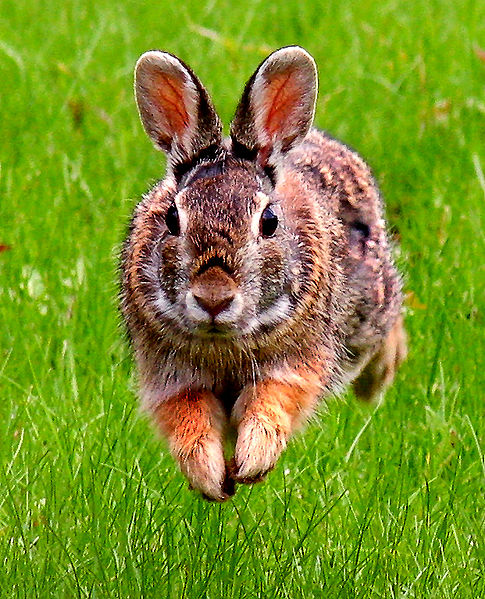
They probably would have snared a few rabbits. These critters were popular in Europe as well as in America, an abundant source of protein:
Take blanched Almondes, grinde hem with wyn And gode broth of befe and Mutton, and draw hit thorgh a Streynour, and cast hit into a potte, and lete boile; and cast there-to pouder of ginger, clowes, Maces, and sugur. And then take a Conyng, and seth him ynogh in goode fressh broth, and choppe him, And take of the skyn clene, and pike hem clene And cast hit to the Sirippe, And lete boyle ones, And serue forth.
Translation: Simmer some blanched almonds with a good beef or mutton broth. Grind the almonds with the broth and run through a strainer. In a pot, bring this to a boil, adding some powdered ginger, clove, mace, and sugar. Gut, skin, and clean a rabbit; cut it into serving-sized pieces. In a pot, cover the rabbit with the broth and boil it until tender. Serve it forth.
Authenticity check: Hold the almonds, hold the ginger, hold the clove, hold the mace, hold the sugar. Substitute venison broth for the beef or mutton broth.
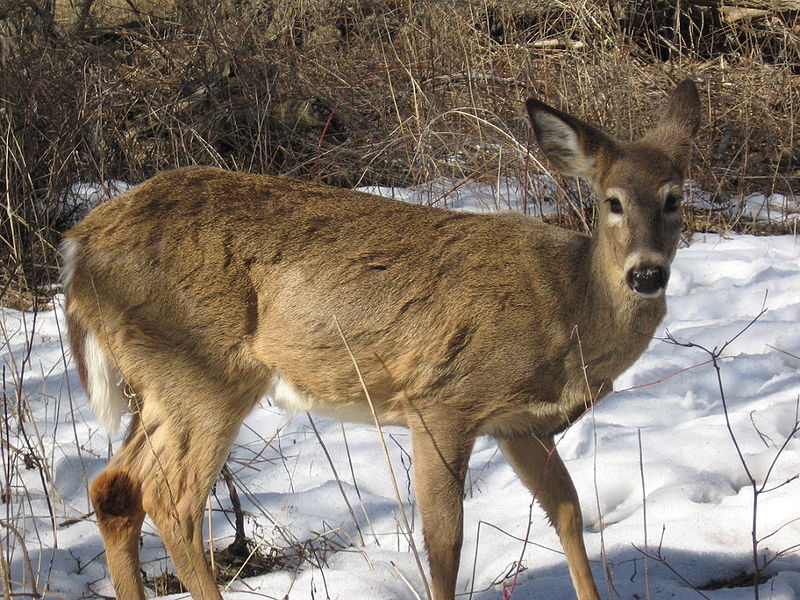
We’re told the Indians brought some venison for the feast. A sixteenth-century cook would have prepared it along these lines:
Take Rybbys of Venysoun, and wasshe hem clene in fayre water, an strayne the same water thorw a straynoure in-to a potte, an caste ther-to Venysoun, also Percely, Sawge, powder Pepyr, Clowys, Maces, Vynegre, and a lytyl Red wyne caste there-to; an thanne latte it boyle tyl it be y-now, & serue forth.
Translation: Wash and soak some venison ribs in clean water. Strain the water into a pot and place into it the meat, some parsley, sage, powdered pepper, cloves, mace, vinegar, and a little red wine. Boil until tender and serve it up.
In the good old days, they would save the blood and add it, at the last minute, to thicken the broth. Remove the pot from the flame so that it’s not boiling. Mix in the reserved blood to thicken, flavor, and darken the broth.
Authenticity check: Hold the wine, hold the vinegar, hold the parsley, hold the sage, hold the pepper, hold the cloves, hold the mace. Let’s hope the natives urged the Europeans to spit and roast a deer over an open fire.
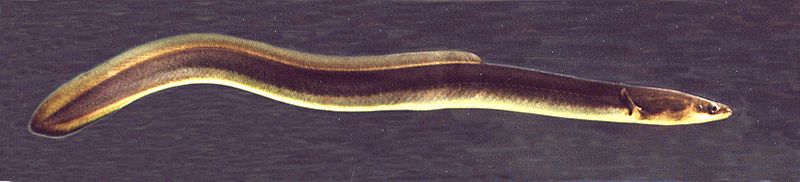 The original Thanksgiving feast was heavy on fish and shellfish, something strangely omitted from the modern tradition.
Take almondes, and grinde hom, and drawe hom up with swete wyn, and put hit into a pot; and do therto hole culpons of eles, and clowes, and maces, and raisynges of corance, and pynes, and ginger mynced, and let hit boyle, and colour hit with saunders; and in the settynge doun do therto a lytel vynegur, medelet with pouder of canelle, and serve hit forthe.
Translation: Grind and mix some almonds in sweet wine (probably sherry). Pour the mixture into a pot and add fileted fish, cloves, mace, currants, and ginger. Bring to a boil and cook until done, coloring it with sandalwood. Serve up on plate garnished with a little vinegar and cinnamon.
Authenticity check: hold the cloves, mace, ginger, vinegar, and cinnamon.
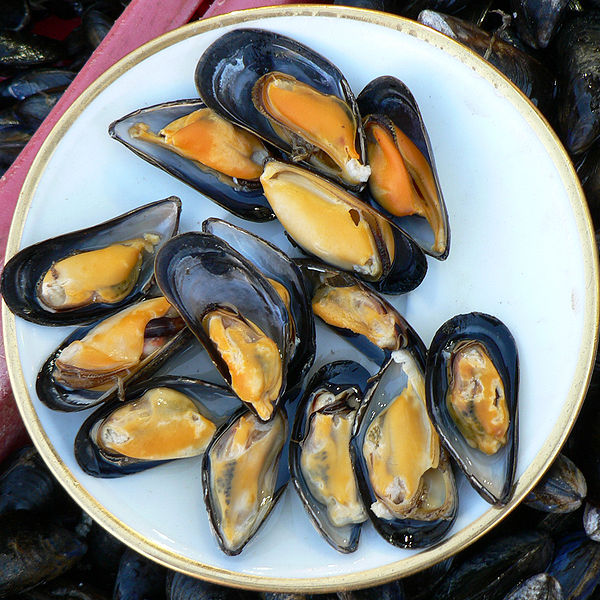
Mussels in broth
3 pounds mussels, scrubbed and bearded
3 cups boiling water
3 cloves garlic
2 tablespoons butter
3 tablespoons finely ground bread crusts
salt to taste
1/2 teaspooon saffron
1/8 teaspoon freshly ground pepper
minced fresh parsley
Plunge the mussels into the boiling water. Cover and cook over high heat just until the shells open (less than a minute). Removed the mussels with a slotted spoon; strain the broth through a fine strainer. Meanwhile, saute onion and garlic in butter in a heavy skillet; return the broth to a pan and add the onion and garlic, bread crusts, vinegar, salt, saffron, and pepper. Simmer, stirring until smooth and well blended. Remove the mussels from their shells and add them to the broth. Cover and simmer about 15 seconds. Serve up in soup bowls, garnished with parsley.
If they had cured venison, they might have made this rather special side dish:
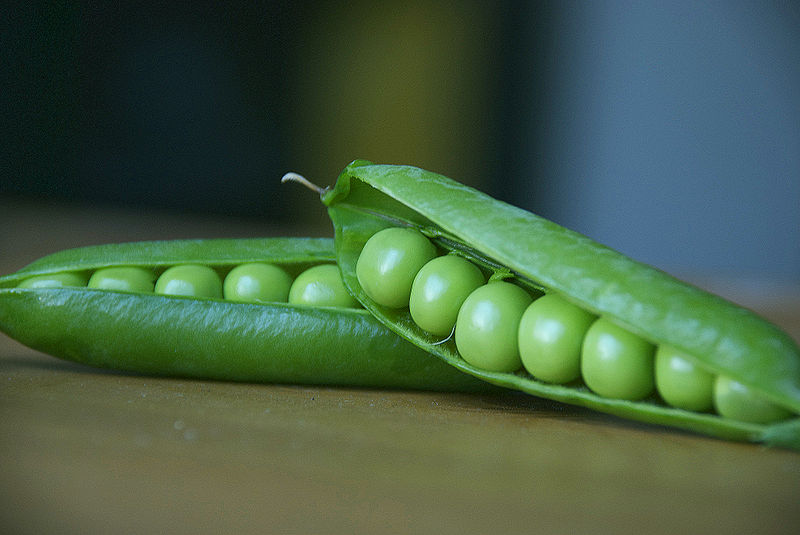
Pescodde
In new peas cooked to be eaten in the pod, you must add bacon on a meat day: and on a fish day, when they are cooked, you separate the liquid and add underneath melted salt butter, and then shake it.
Translation: To new peas cooked in the pods, add bacon (on a meat day) or fish (on a fish day). When the peas are cooked, pour off the liquid and add salted butter; mix well.
Authenticity check: hold the butter; use cured venison or salt fish.
Of course they had pumpkin and other squash, dried maize, and beets. The squash and root vegetable they probably would have boiled. Chances are they made something like Johnny cake with the corn:
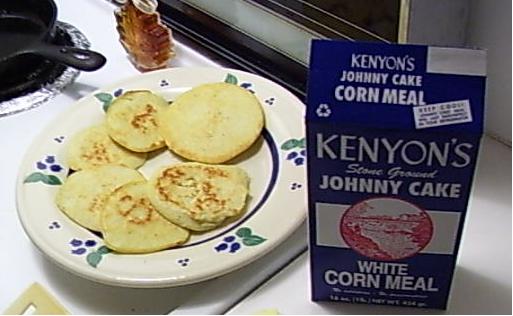
Johnny Cakes
Make a dough of cornmeal, salt, and water. Set on a wooden slab or barrel stave at an angle in front of the fire to bake.
Authenticity check: Hold the cardboard box.
Yum. Here’s something for which we can all give thanks: we were born in the 20th or 21st century!
Have a wonderful (and tasty!) Thanksgiving holiday!

Images:
Wild Turkey with Eight Chicks, Kevin Cole, Creative Commons Attribution 2.0 Generic license.
Eastern Cottontail. Hardyplants. Public Domain.
White-tail Deer in Toronto, Canada. Public Domain.
American Eel. Wikipedia Commons. GNU Free Documentation License.
Mussels at Trouville Fish Market. Claude Covo-Farchi. Creative Commons Attribution-Share Alike 2.0 Generic license.
Peas in Pods. Gaetan Lee. Creative Commons Attribution-Share Alike 2.0 Generic license.Johnny Cakes. Wikipedia. Creative Commons Attribution-ShareAlike 3.0 License.
Traditional U.S. Thanksgiving Day Dinner. Ben Franske. GNU Free Documentation License.