Coffee heat rising

A Handmade Christmas Present: Bath Powder

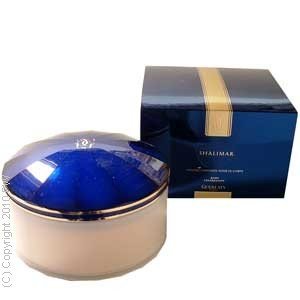
Have you noticed how difficult it’s getting to buy scented bath powder? Drugstores have about stopped carrying it—probably because talc is now believed to cause respiratory problems and even cancer. You can still buy it at a department store, but a brand like Guerlain or Lanvin charges sixty bucks for a box of it!

After I decided to move up from bluejeans last spring, I was reminded of why one wants bath powder: it’s mighty uncomfortable to walk around in a skirt on a hot, sweaty day. Baby powder works OK, but between you and me, I don’t want to go around smelling like the changing table.

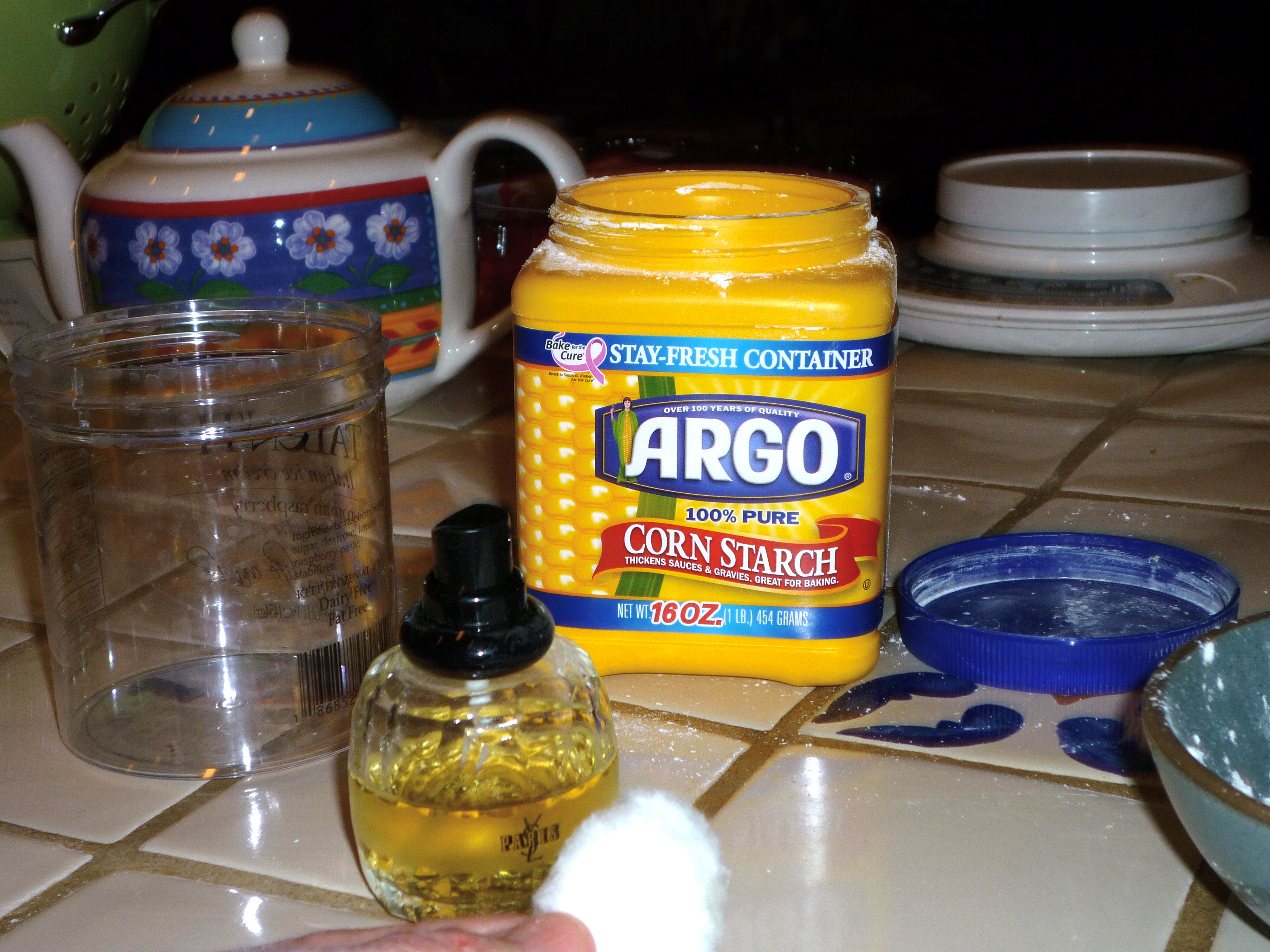
Making your own bath powder is easy and cheap. Take a look at the ingredients on a can of Johnson’s baby powder: it’s mostly cornstarch!

You can use 100 percent cornstarch, creating a soft, soothing powder that absorbs moisture and adds no extraneous perfumes. If you’d like a deodorant effect, you can add baking soda; the proportion is one part baking soda to three parts cornstarch. Some people add rice flour, but this is difficult to find and unnecessary.

To add scent, simply spritz a cotton ball with your favorite perfume or scent it with some vanilla or an essential oil. Let the cotton ball get dry, and then toss it into a Ziplock bag with the unscented powder. Shake well. Leave the scented cotton in with the powder for about three days, shaking once a day…and voilà! Bath powder in your favorite scent! After the powder has absorbed enough scent, remove the cotton ball.

Get a pretty shaker can or jar to present it to a loved one for Christmas. For myself, I just keep it in a convenient container. A small jar with holes punched in the lid works well.

To gild the lily, you can easily make a powder puff. All you need is some fleece or other fuzzy textured fabric, some satin or brightly colored fabric, a short length of ribbon, and a little batting. Cut a circle out of each fabric, so you have two identically sized circles about six inches in diameter. Take a piece of ribbon and cut off a six-inch long piece.

Place the fabric circles together face to face with the ribbon sandwiched between them. The ribbon can go across the diameter or be laid diagonally across the circle. Stitch around the perimeter, leaving an inch or so open. Turn the resulting powder-puff casing inside out, so the right faces and the ribbon are on the outside. Stuff the casing with cotton or synthetic batting and then stitch the opening closed.

If you don’t want to go to that much trouble, you can buy a less fancy powder puff for around $2.00.

Many people believe that cornstarch “feeds” fungi and therefore should not be used if you’re prone to yeast infections or on a baby’s diaper rash. Recent studies, however, show that this is untrue—cornstarch does not aggravate yeast infections. Indeed, at least one cream designed for diaper rash is full of cornstarch. For other reasons, I would not put any perfumed powder on intimate places. And if Baby has a diaper rash, it should be treated with a cream or ointment for the purpose. Diaper rash or a yeast infection that goes untreated will get worse, whether or not you apply powder to the affected area.

When you go to buy cornstarch, read the ingredients. Clabber Girl contains added calcium. I bought Argo because it’s 100 percent cornstarch with no adulterants.
The Green Beauty Guide

If you like beauty products but are made nervous by applying products containing gunk like formaldehyde and 1,4-dioxane to your skin, you (or your lady friend, for those of the male persuasion) will be very interested in Julie Gabriel‘s comprehensive encyclopedia of DIY and commercially available nontoxic creams, perfumes, nostrums, and make-up. My friend KJG shared a copy the other day. It’s called simply The Green Beauty Guide.

This woman has compiled an incredible amount of research on synthetic, “natural,” and “organic” ingredients in make-up, body, hair, and aromatherapeutic products of all kinds. The book is largely free of the kind of gullible credulity that you find in much of this sort of thinking—Gabriel is not shy about cluing readers to the risks inherent to the many “green” products out there, just as she is frank about the industrial ingredients that render many drugstore and department-store products toxic.

I would add one caveat, though: Gabriel seems to be very fond of Bare Escentuals products. You should be aware that the line does contain bismuth oxychloride, as do most mineral powder make-ups. If you are at all sensitive to this chemical, it can cause severe redness, itching, and long-term irritation to your skin. Check the ingredients of all beauty products; just because they’re labeled “organic” or “natural” does not mean they’re free of potentially unpleasant ingredients.

The fun aspect of this book, though, is its wonderful collection of make-it-yourself beauty nostrums, from nail creams to acne nostrums. Did you know you can make your own self-tanning oil, right in your kitchen? You can whip up your own shampoo, conditioner, lip balm, face creams, depilatory wax, and even hair coloring. Lots and lots of things to experiment with here, some of them very simple to make!  Try, for example, this enhanced version of olive oil as cleanser, something Funny reported on some time back.

To two ounces of organic extra-virgin olive oil, add 1 ampoule of vitamin E and one drop of essential oil of chamomile. Shake well. You can dispense this from a pump bottle, where it will keep for a long time in a cool, dry place.

The other very positive aspect of this guide is that Gabriel names names. In discussing commercially made green products, she gives brand names and in many cases critiques products. She also tells you specifically what’s wrong with which conventional products, and she provides an appendix listing common ingredients in over-the-counter beauty products and cleansers explaining what those ingredients will do to you. Another appendix provides online resources for less-toxic beauty products.

You can have a lot of fun with the many recipes Gabriel provides for beauty nostrums of all varieties. Or, if you prefer to buy your products instead of making your own, her advice on which low-toxicity products to buy can help you feel more comfortable about what you put on your face, hair, and body.

Highly recommended!

Also check out these pages at FaM:

Olive Oil: The Ultimate Hair Conditioner
Olive Oil: The Miracle Skin Cleanser
Sunscreens: Be Scared, Be Very Scared
Frugal Cosmetics: Lemons for Your Beauty Routine
Lemon and Vinegar Highlight Your Hair