Coffee heat rising

Who, Me? Rich? What does it mean to be rich, anyway?

Lenten thanks: Day 16 (I expect)

Thank God for real wealth.

I much enjoyed reading a recent post on Intelligent Speculator, whose proprietor asks readers what they consider to be “rich.” It’s a great question, and it elicits an amazing range of answers in the comments section.

IS remarks, interestingly, “I will consider myself as rich when my monthly passive income will be enough to pay for my expenses.” That’s a pretty good answer, IMHO. But it poses another question: what d’you mean by “expenses”? How much do you figure it will cost for you to support yourself in the manner to which you intend to become accustomed?

Experience suggests that if you appreciate what true wealth is, it doesn’t take anywhere near as many dollars to cover reasonable expenses as many of us think. This year, assuming all my classes make, I will be living on about 70 percent of the relatively modest amount I earned at the Great Desert University. I expect to be very comfortable. If I didn’t have to chip in on the evil mortgage, I could make do just as comfortably on about 57 percent of former earnings. And believe me, my salary did not come anywhere near what most of you would think of as “good” pay.

So what’s true wealth? Probably varies by the person. In my universe, true wealth is having the basic amenities that make you comfortable—a paid-off roof over your head, food on your table, a way to get around your town or city—and then the things that make you happy: good friends, family members who don’t make you crazy, decent health, a capacity to care about others, moments of fun, and an appreciation for the beauty around you.

You don’t really need anything more. Whatever you accrue beyond that, especially in currency, is superfluous. It’s not wealth. It’s junk. You could give it away or throw it away and not change your well-being.

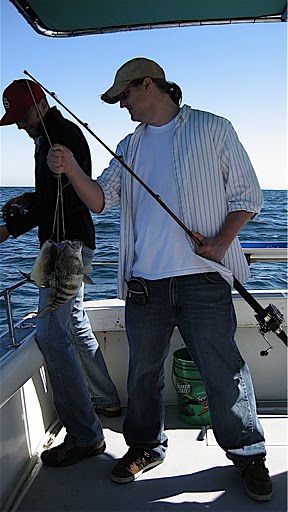
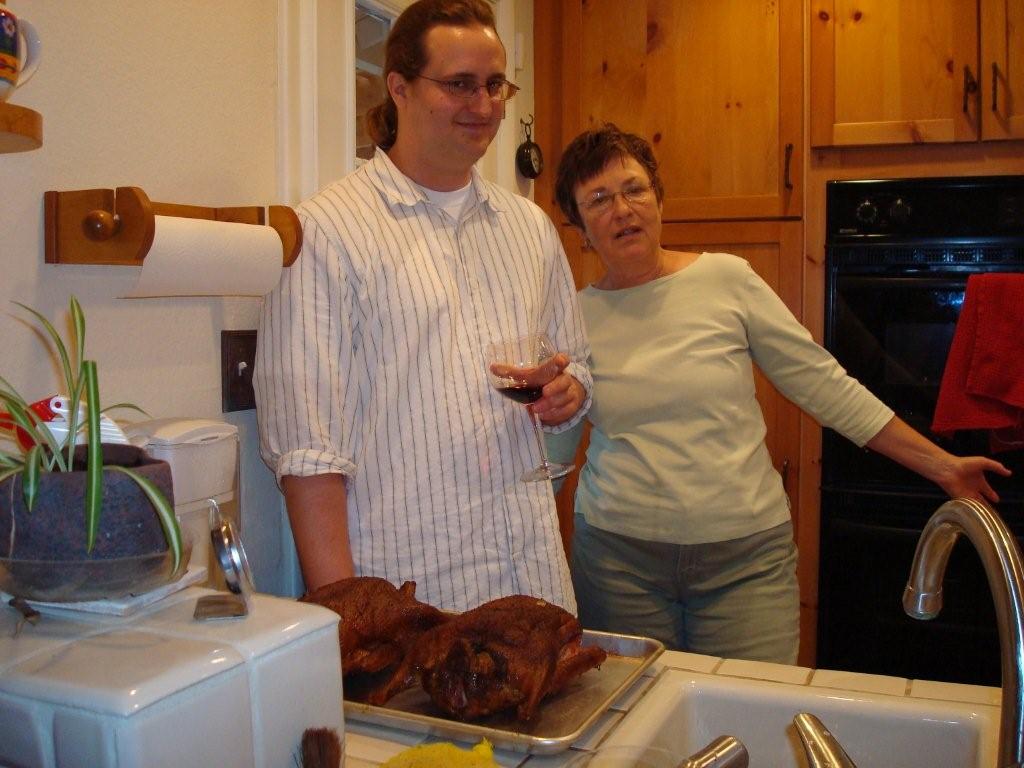
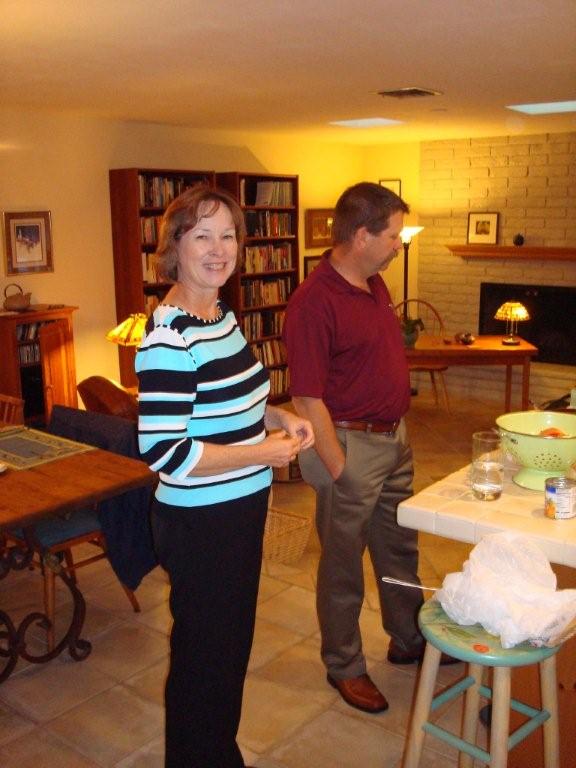
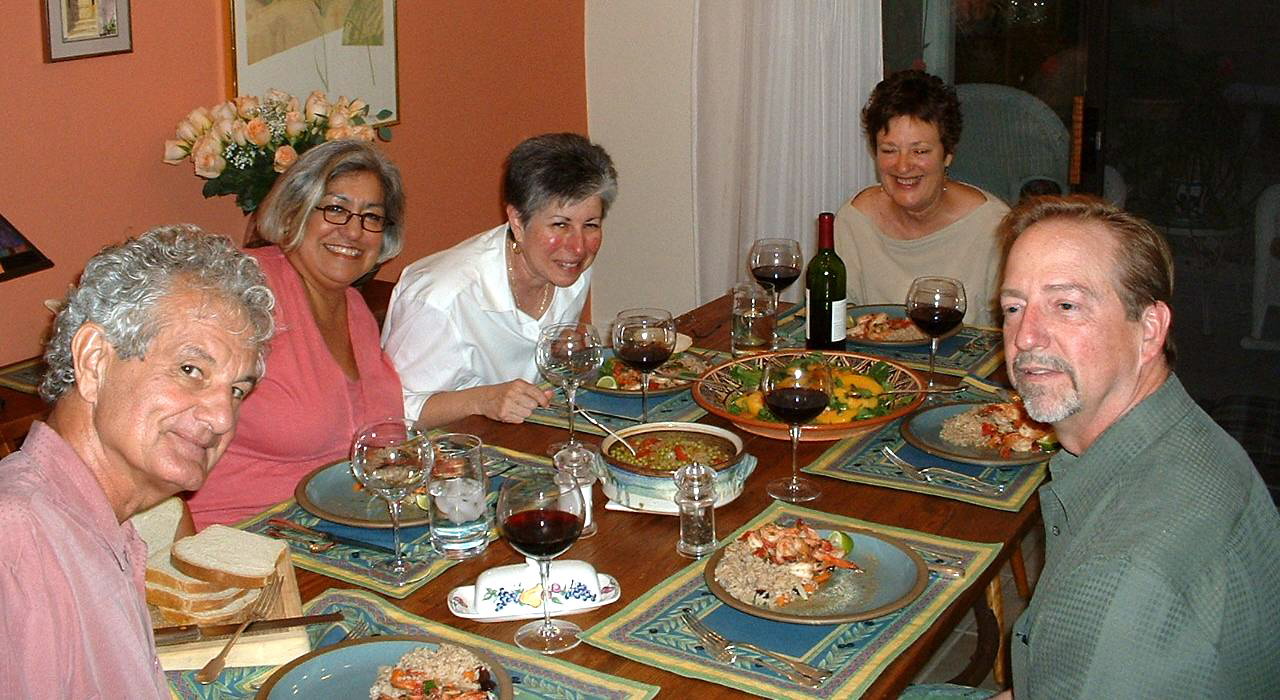
Here are some examples of real wealth…

Family, Fun

.

.

.

.

.

.

.

.

.

Good Friends

.

.

.


.

.

.

.

..

.

A life in fellowship

Crafty furbelows

Cassie

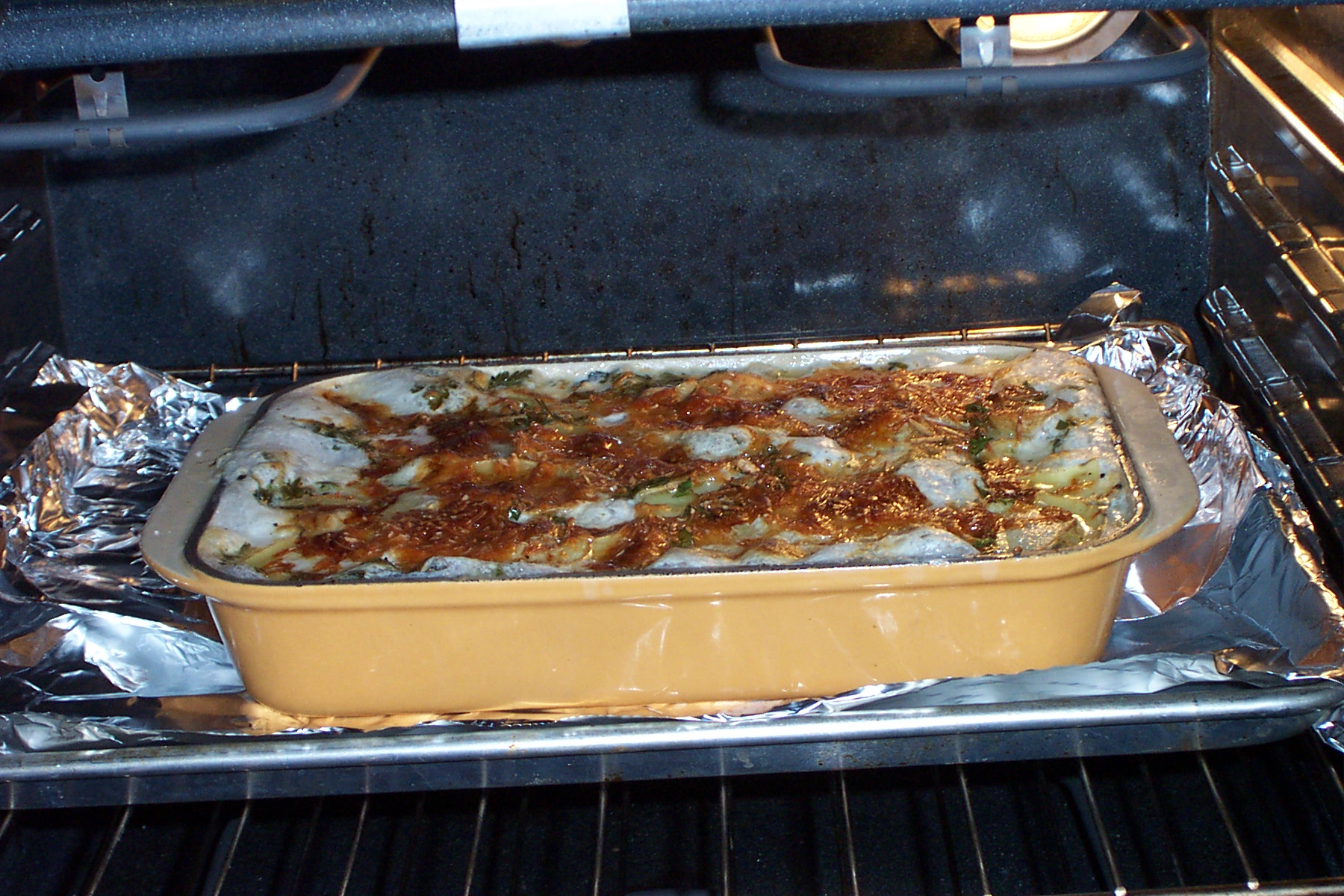
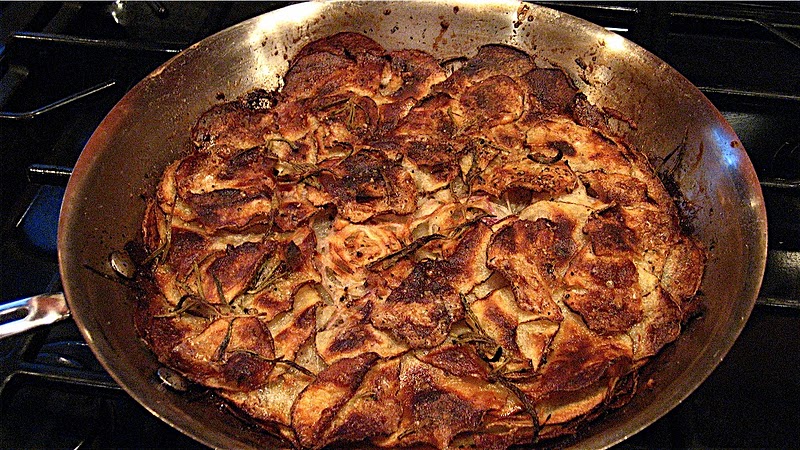
Good food


.

.

.

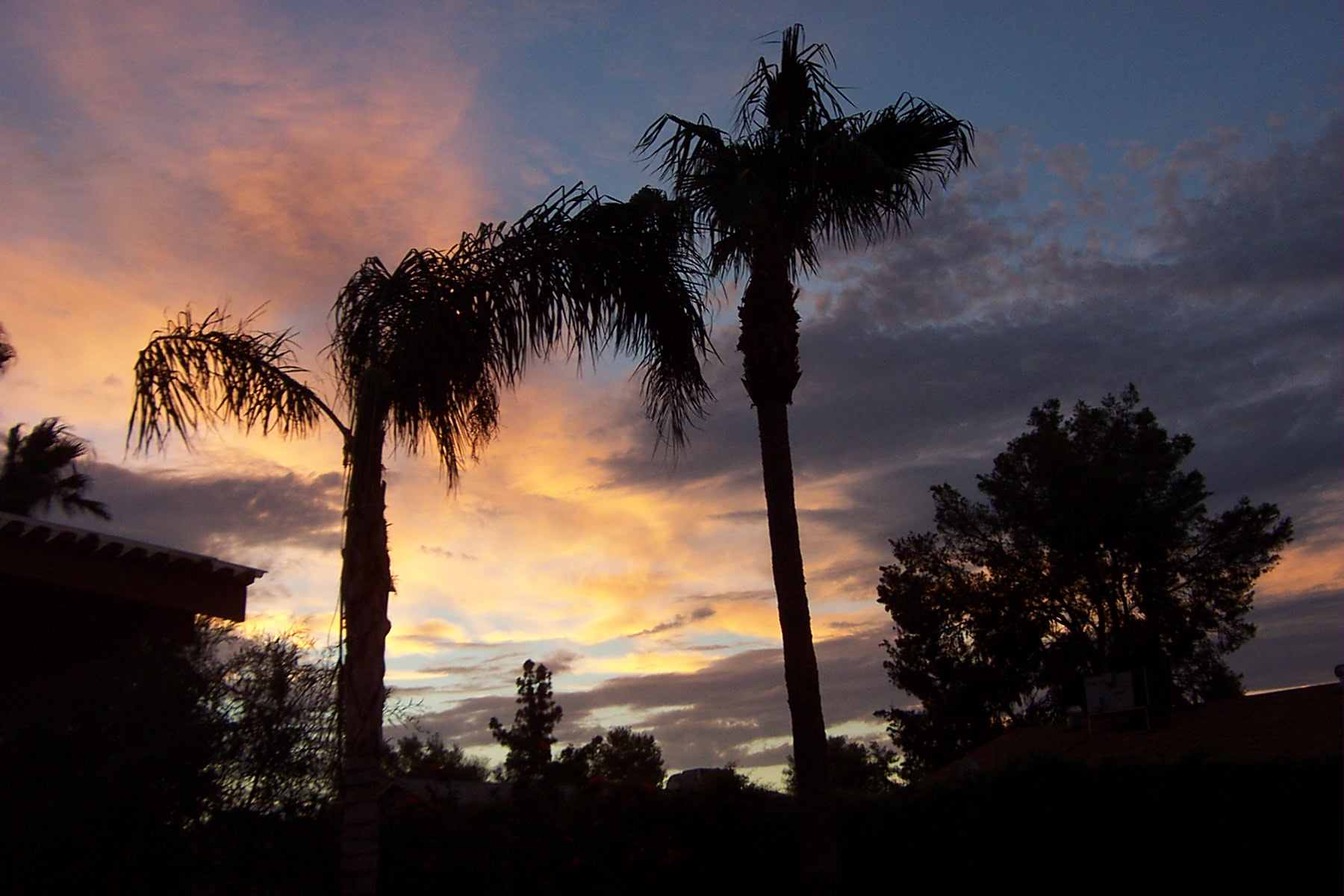
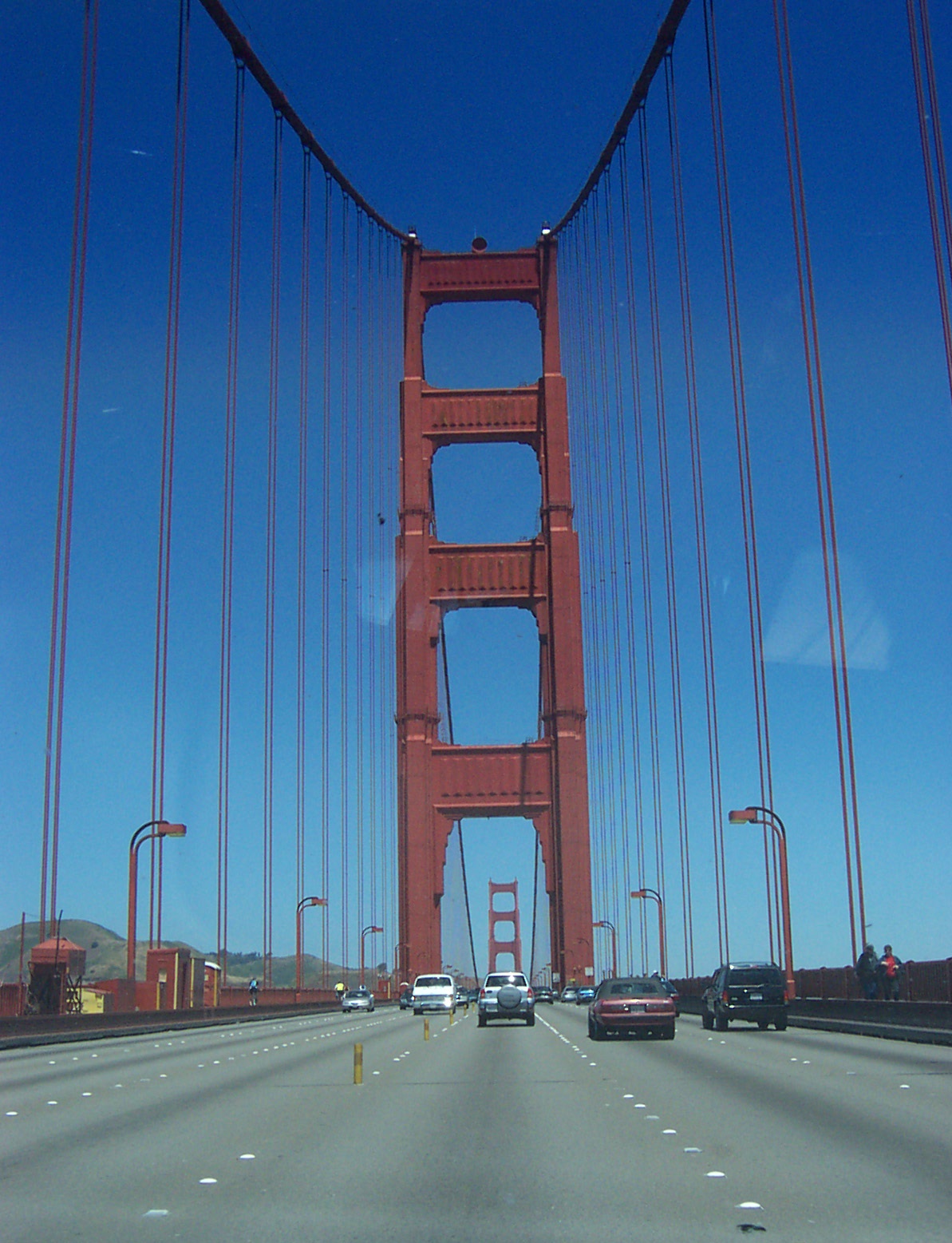
An amazing world

.

.

.

.

.

.

.

.

.

.

.

.


Another Day, Another Dollar…Another Few Dollars Lighter

Well, this has been quite the day.

The accursed virus that grabbed me by the throat worked itself up to a high pitch last night. Finally got to sleep little after 5:00 a.m.; the alarm jangled at 6:00 to start a day filled with chores that could not be evaded.

First, it was off to Scottsdale for a presentation to my business group’s 7:15 breakfast meeting. That went better than expected. I pitched the idea of buying ad space on Funny. People actually seemed to be interested, giving me some hope that this scheme could work. I think I’ll have to reach a wider audience of businessmen and women, though—possibly try to deliver the same pitch at the Chamber or other networking groups.

From there, it was down to the client’s office to drop off another set of edited page proofs. Back to my house to call the doctor’s office and then like a rocket to the campus.

Adjunct faculty get no sick leave. If you’re not there, your pay is docked; that you’re pounding on death’s door is beside the point. Because all my face-to-face classes meet on the same days—Tuesdays and Thursdays—if I canceled classes today I would lose one fourth of my pay this period!

Obviously, I can’t afford to have my paycheck cut by 25 percent. So I dragged out there and laid some busywork on the kiddies, sending them to the library to kill time. This left two hours until the second class, allowing me to drive home and try to sleep a little. Naturally this was mooted when the doctor’s nurse called me back. I had to explain that I am not going to make a two-hour round-trip drive to the Mayo only to be told that yes, I have a cold. She was able to figure that out over the phone, and said they’d call a prescription in to the Safeway pharmacy.

Back to campus; deliver the same message to the second section; shovel them out the door. Flee!

Flat out of food for Cassie; last night I cooked her a piece of steak. That not being a viable proposition for the long term, I had to drive by the Costco to pick up one of their roast chickens, which will last her a week and give me something to eat, too.

It’s 10.8 miles from the Costco near campus to the Safeway nearest to my house. Needless to say, every light turned red as I drove up to it, all the way from the campus to the Costco and from the Costco to the Safeway…just as every light had turned red while I was traipsing from the west side of Phoenix to uptown Scottsdale to downtown Scottsdale and back, about 15 miles each way.

Arrived at the Safeway, stood in line (enduring the dirty looks of fellow customers as I hacked and coughed), only to learn that they never heard of me. The doctor’s office had never phoned in. Pharmacist said she would call if and when the prescription was called in. I said I was not dragging back over there this afternoon, because it is unsafe for me to be behind the wheel of an automobile.

Jayzus! In the state I’m in, it’s a miracle I didn’t kill someone. On the other hand, given the number of morons who wove back and forth in front of me and beside me while they yakked on their phones, maybe one could say it’s too bad I didn’t kill one of them.

Moving on… I picked up a pint of berry sherbet, figuring to anaesthetize my tonsils by freezing them. It worked, too. Briefly.

Late this afternoon, the doctor’s nurse said he had called in a prescription for Flonase. A day late and a dollar short, sister!

My car is now down a quarter-tank of gas. That puts the eefus on my gasoline budget. There’s no way I can run that boat from now until the end of the current billing cycle—April 21—on just one more fill-up. The three-quarters of a tank I had to buy on Monday cost $53, more than half the monthly budget.

Interesting how even a minor ailment drains your pocketbook, isn’t it? If I hadn’t forced myself to put in an appearance on the campus—done at some risk to life and limb, since I really should not have been driving—I would have lost about $120. The pharmacist suggested that I try the syrup form of Mucinex DM, which she thinks gets into some people’s systems more efficiently. So now I have two bottles of the generic form of that (rather useless!) stuff, one full of horse-pills and one full of cherry syrup. I wouldn’t have bought the sherbet if my throat didn’t feel like someone stuck a blowtorch down it. The extra round trip between campus and home plus the unplanned trip to the Safeway guaranteed that I’ll have to spend more than $100 on gas this month.

As a practical  matter, the common cold costs the U.S. economy big-time. In 2003, a University of Michigan study alleged that the combined annual cost of all our colds is around $40 billion a year, “substantially more than other conditions such as asthma, heart failure and emphysema.” As a group, we Americans were spending $2.9 billion annually on OTC nostrums and another $400 million on prescription drugs for symptomatic relief, and wasting $1.1 billion on antibiotics, which have no effect on viral illnesses like colds.

I haven’t bought the prescription yet and may not. Its common side effects include dizziness, headache, nasal irritation or burning, nausea, nosebleed, sore throat, and vomiting. The only one of those I don’t already have is throwing up, and I don’t think I need it, either. So that’ll be a few bucks saved.

What gets into doctors? Do they not have access to the Internet? How hard is it to type “Flonase side effects” into a search engine? For that matter, how hard is it to read the manufacturer’s notice, posted prominently online: “you should know that fluticasone [i.e., Flonase] may decrease your ability to fight infection”? The stuff is indicated for allergic rhinitis, not colds, a condition that itself comes under the heading of “infection.”

Anyway, between the schlepping around and the expenditures on OTC drugs and the potential cost of a contraindicated prescription drug, I’ve probably spent as much as I saved by forcing myself to traipse to the campus through a rhinovirus haze.

Using Net Worth as a Personal Finance Benchmark

This is a post by Miranda Marquit, who serendipitously appeared just as the present nasty virus was making me think I would die if I had to write a single word today. I think you’ll enjoy the article that she kindly wrote for us. Thank you, Miranda—you couldn’t have come along at a better time!

Miranda publishes her own (very engaging) blog at This Time It’s Personal.

When it comes to your journey to financial freedom, it helps to have milestones along the path. One of the personal finance benchmarks you can use is net worth. Your net worth offers you a picture of where you are at now. You can use it to chart progress toward financial goals.

Net Worth: A Financial Moment in Time

Your net worth represents a financial moment in time. It is a snapshot of your current money situation. You figure your net worth by subtracting your liabilities from your assets. Once you have that number, you have a place to start.

The first step is to add up your assets. This includes the market value of your home, as well as the value of your investments, your checking account, your savings account, and any other items of significant value. Next, you add up your liabilities. Your liabilities include what you owe on your mortgage, any debts you have and other obligations that you have incurred.

Here is a basic example of how you can do a net worth calculation:

Assets:

  • Market value of home: $180,000
  • Savings: $10,000
  • Checking: $3,000
  • Investment account values (including retirement accounts): $35,000

Total: $228,000

Liabilities:

  • Mortgage balance: $165,000
  • Car loan: $9,000
  • Credit card debt: $4,500
  • Medical bills: $2,000

Total: $180,500

Net worth: $228,000 – $180,500 = $47,500

As you can see, the net worth in this case is $47,500. To increase your net worth, you will need to either pay down debt or increase your assets. Your assets can be improved by increasing your income, or by making investments that appreciate in value.

Measuring Your Progress

Once you know where you stand right now, you can begin making plans to improve your situation. Take stock at regular intervals. Decide whether you want to measure your progress every month, every quarter, every six months, or every year. Many people find that tracking their net worth monthly or quarterly helps to keep them motivated.

It is important to realize, though, that there are some things that you won’t have complete control over. If you are engaged in long-term investing, such as the investing you do through a retirement account, your net worth might fluctuate in the short term with the market. Many people experienced a lower net worth during the recession, as their retirement accounts dropped. (However, those who weathered the down market are now seeing a sharp rebound in net worth.)

Remember that your net worth is a picture of your current situation. Try to figure your net worth on the same day of the period, such as the first day of the month, or the last day of the quarter. This way, you will be more likely to be comparing apples to apples when it comes to your pay schedule, and the bills you pay.

Create an overview of your financial situation by tracking your net worth over a period of years. As you work on a debt repayment plan, as you pay down your mortgage, and as you look for ways to increase your assets, you will find that your net worth trends higher—leading you toward a more secure future.

Miranda writes for a variety of personal finance web sites, including the AllBusiness Personal Finance Corner, and Credit Cards Canada, a site specializing in the best Canadian credit cards.

More to Come…

Lenten thank, Day 12

Thank God I don’t still live in Saudi Arabia!

My mother, who was a low-key enthusiast of Edgar Cayce and things mystical, used to say the Apocalypse would come from the Middle East. She used to say a lot of things…but why not? It’s gotta come from someplace, after all.

We’re now engaged in another war in another Middle Eastern country, where we’ve been at war longer than we were during World War II. The entire region is erupting, a development which does not bode well.

IMHO, if we don’t free the West from dependence on Arab oil, we will see something very like an apocalypse, because that is what the collapse of a dependable, cheap energy supply will do to our economy. Someone else once said it better: a hard rain’s a-gonna fall.

But…maybe it’s just the mean virus speaking. It was a long, dark night.

Now I have to run to teach two classes—mercifully, they’ll be parked in front of computers today. By the end of the day, though, a lovely guest post should be ready to mount. Meanwhile, don’t take any wooden nickels!

Betcha didn't think there was such a thing, didja?

Image: ColWilliam. Public Domain.

New Financial Goal

Lenten Thanks, Day 11 (i think)

And O.K., God. Thanks (i guess) for the pittance Funny about Money earns off Adsense. It’s…better than a hit in the head, at any rate.

But it is a pittance.

Just finished putting together a presentation for the business group in which I intend to propose that my new Scottsdale business friends advertise on Funny about Money.

The site has pretty respectable traffic—14,200 unique visits a month, 3.2 million hits a year add up to a whole lot of eyeballs on ads. In theory, many more eyes hit the virtual pages of Funny about Money in a month than ever see the pages of, say, Phoenix magazine. Since ad rates for websites are so low compared to print media with similar demographics, a business owner gets a heckuva buy for his or her advertising dollar.

My goal is to sell enough ads to double Funny’s revenues this year. The plan is to push AdSense below the fold and to use the prime real estate for customers who are willing to pay something more than 30 cents a day. I’ll keep AdSense (though may knock out some of its ad blocks), but downplay it in favor of ads that make a more reliable and fair return.

Since AdSense pays precious little, doubling FaM’s revenues will not be very hard.

It remains to be seen, of course, whether a living, breathing business executive can be persuaded to spend even precious little to see his company’s name in glowing characters on a computer screen. Most of these folks are older and not very techie. However, almost all of them sell services that would interest FaM readers: financial products and management, travel and resort services, healthcare, and the like.

It’ll be interesting to see if I get anywhere with this! 😉