Coffee heat rising

The Instacart Experiment: Living & Learning

Okay, so after the last Instacart experience — which was mixed, but overall pretty good — I decided to try again, needing a few items from AJ’s Fancy Overpriced Gourmet Grocery that I knew M’hijito would not be able to pick up in this week’s Costco expedition. This led to another strangely entertaining interlude.

Once again, the runners tried to substitute stuff for products they knew little or nothing about. Instacart would be excellent if you bought a lot of plain-vanilla processed, packaged foodoids — since these seem to be what most Americans eat today. But if you ask for anything at all different from what they’re used to, the results can be hilarious.

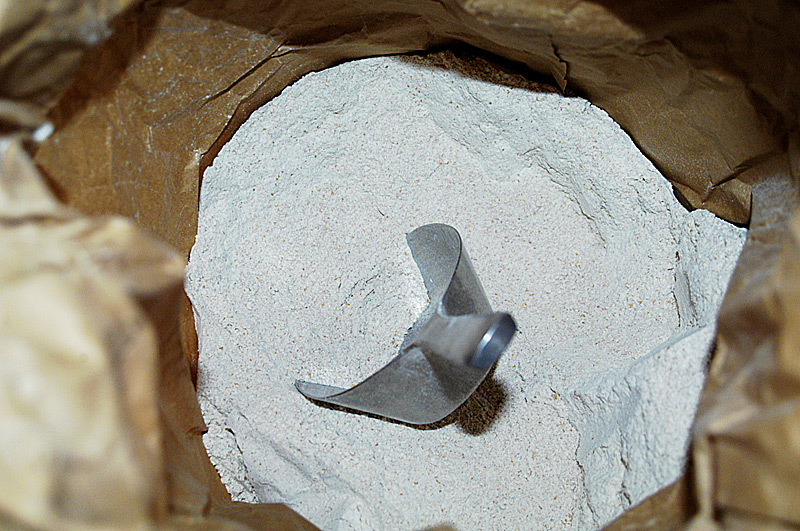
Day before yesterday, I tried to get another package of the Italian flour the last AJ’s runner stumbled upon (not having any clue what she’d found). The cupboards were bare of old-fashioned unbleached flour, but she found a tiny package — one kilo, 2.2 pounds — of real, unadulterated, un-Round-Upped, un-genetically modified Italian flour. I pointed to a picture of it on the AJ’s site and said that and only that was what I wanted. She showed up with a pound of tapioca flour! Heeeeee!

Asparagus? AJ’s carries, tucked away in a particular part of its produce department, lovely thin dainty spring asparagus. Well. Spring has sprung. I got the King Kong of asparagus, thick stocks trying to take after a sequoia tree. So those’ll be…uhm…just yummy. Maybe I can make them into asparagus soup, if I can find someone who can figure out how to buy plain old heavy cream. 😀

So, it looks like, unless there’s a way to connect through Instacart with a single person whom you could train to shop in your own style, that system isn’t going to work well for the Aging in Place scheme. It would work to some degree — you could get SOME of the products you use regularly. It surely would be better than the Beatitudes, because even if you were buying mostly processed foods, they’d still be better than the chow served in the old-folkerie’s mess halls…uhm, “restaurants” (heh!). But you’d have a very hard time getting an ever-changing variety of runners to bring what you want consistently. And that would be annoying.

An alternative might be to train your cleaning lady to shop for you. At least if you had her at hand as you were presenting your requests, you could say “…and if you don’t see this, that’s OK — don’t try to substitute anything else.” Someone like Luz, for example, could pull this off a lot better than the Instacart runners, because she’s very smart (indeed) and because she knows how to cook.

And another alternative might be to hire a college kid… There used to be two culinary schools in town. Two of the community colleges now have culinary programs, and there are a couple of free-standing scams. You could hire a student in one of those — community college kids, in particular, are always looking for side gigs. And if they’re interested in food and cooking, they’d probably have a better shot at understanding what you’re asking for.

The adventure continues…

Buying Futures at the Supermarket: Groceries as investment

Guest post by Pinchnickel

PHOENIX, Ariz. – Save big bucks by playing the commodities future market at your grocery store every week. Buy in season, freeze, preserve, and consume later when prices double. Save even more when you factor in clipped discount coupons.

Let’s go shopping. Today’s futures bargain is bananas. Late spring is harvest season in tropical Central America, home of those shoot-em-up banana republics. “America’s favorite fruit” has become a “price-fixed” commodity, meaning all local grocers charge the same price [currently in the Southwest about 69 cents a pound]. But grocers in your area may break from the price-fixing mold and list bananas as a seasonal loss leader. For example, a Phoenix grocery chain currently offers four pounds for 99 cents, or 25 cents a pound.

Bananas spoil quickly, but I’ll preserve the nutrients of that banana bargain by converting them into low-sugar banana bread and muffins stored in my chest freezer for future consumption.

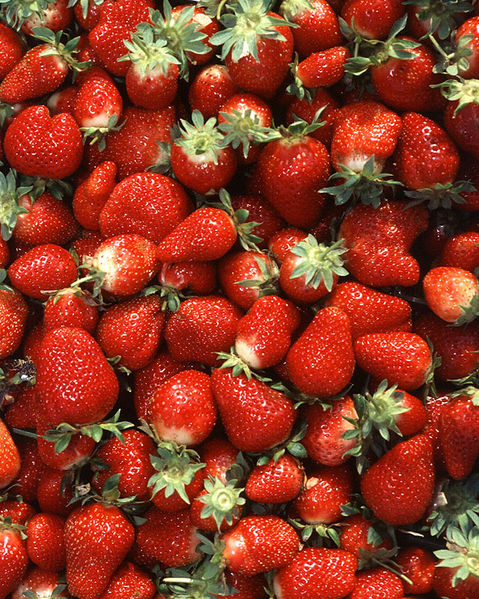
Strawberries currently are arriving here by the truckload from California, as they do every year, and are now available for $4 a 4-pound container, or a buck a pound. To bank strawberries seal in a zip-bag and freeze for up to a year. I mix them with rhubarb for pies, but they can also be turned into toppings for shortcake or ice cream.

Spring is also the time when veggies grown in warmer zones like Mexico arrive at your grocers. They include asparagus, broccoli, spinach, carrots, cilantro. Preserve by blanching in boiling water  and freezing for future use. Turn the cilantro into pesto—delicious spread on toast.

At other times of the year lower-priced pork, beef and even fish will arrive in your local grocery at seasonal prices. Fruits such as apples, peaches and pears arrive in late summer. Learn how to preserve them in syrup or as jams and jellies. Canning supply companies Ball and Kerr both offer recipe books by mail.

The very best “loss leader” season across this land, of course, occurs in early to late autumn, when the great American harvest begins everywhere. Leading the list of good buys then: white flour, beet sugar, potatoes, berries, apples, corn. Because I produce all my own baked goods, autumn is when I put in 100 pounds of flour and 30 pounds of sugar for use throughout the year, when a glut of flour and sugar hit the market for only 99 cents a pound. The same flour and sugar costs $2-plus later in the year—a 50 percent return on my commodities future buy.

If you’re a joyfully consuming foodie or simply a Pinchnickel like me, acquaint yourself with the harvests and when imported products arrive at your grocer, and buy ahead of need. Keep your freezer full of these wonderful bargains. Save big, and enjoy those buck-a-pound strawberries over shortcake next January when your friends are paying $3 a pound for them.

Images:

Bananas: Steve Hopson, Creative Commons Attribution-Share Alike 2.5 Generic license, Wikipedia
Strawberries, Ken Hammond, U.S. Agricultural Research Service, public domain
Asparagus: RyanFreisling, public domain
Flour,
R.Wampers, Creative Commons Attribution-Share Alike 2.0 Belgium license, Wikimedia Commons

The Grocery Pool: So far, so good

Mwa ha hah! It’s working! It lives! The scheme to stockpile groceries and shop as though I dwelt in a remote small town where a trip to the corner store would entail a 120-mile round trip is going well. As we enter the third week of maneuvers, I’m $91.98 in the black—and that includes purchases of everything, not just groceries. Last weekend I avoided going to the grocery store altogether (!!!!!). Yesterday I bought a couple pounds of tomatoes at a farmer’s market.

febmarbudget

Having cleaned the house, edited copy, and passed the time of day with one of my best friends, today all I really must do is continue working on the Festival of Frugality (don’t forget to send in your submissions, please!). So in theory I could make a grocery run. But…do I have to?

My cumulative shopping list says “no.” The only things I need urgently are smoke alarms and mascara; to get the smoke alarms installed, I’m gunna need to get a handyman in here, and that will entail finding someone and then persuading him to show up. Neither of those are grocery items, anyway. And though it would be good to get those smoke alarms in sooner rather than later, neither item needs to be bought right now.

If I were living in Yarnell, the desert rat’s answer to Shangri-La, would I drive 120 miles to buy these things? Probably not.